Webcam
Webcams
6. Maškovića han-Pećina-Debeljak-Kakma Cycling Trail

6. Maškovića han-Pećina-Debeljak-Kakma Cycling Trail

About the trail

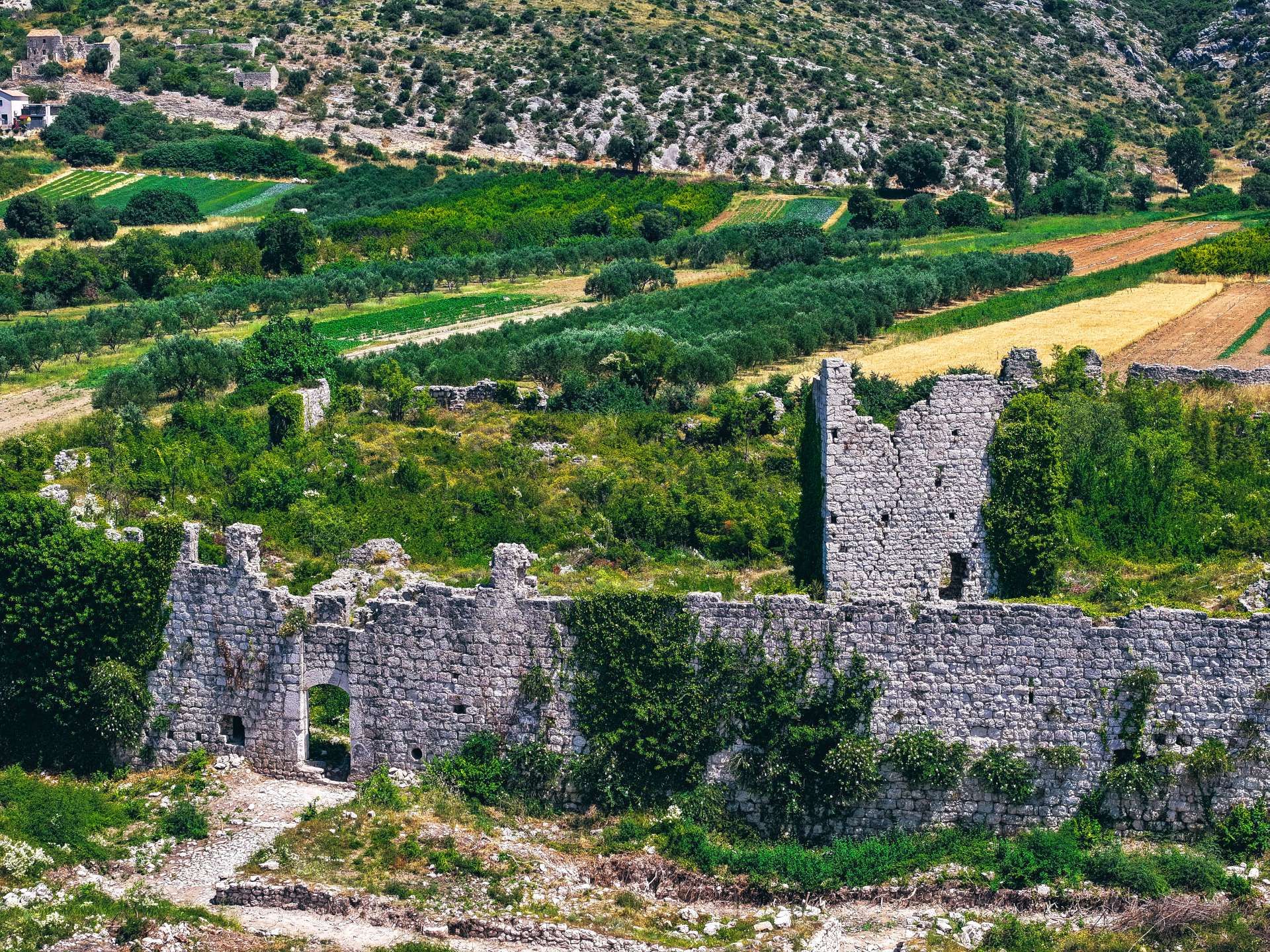
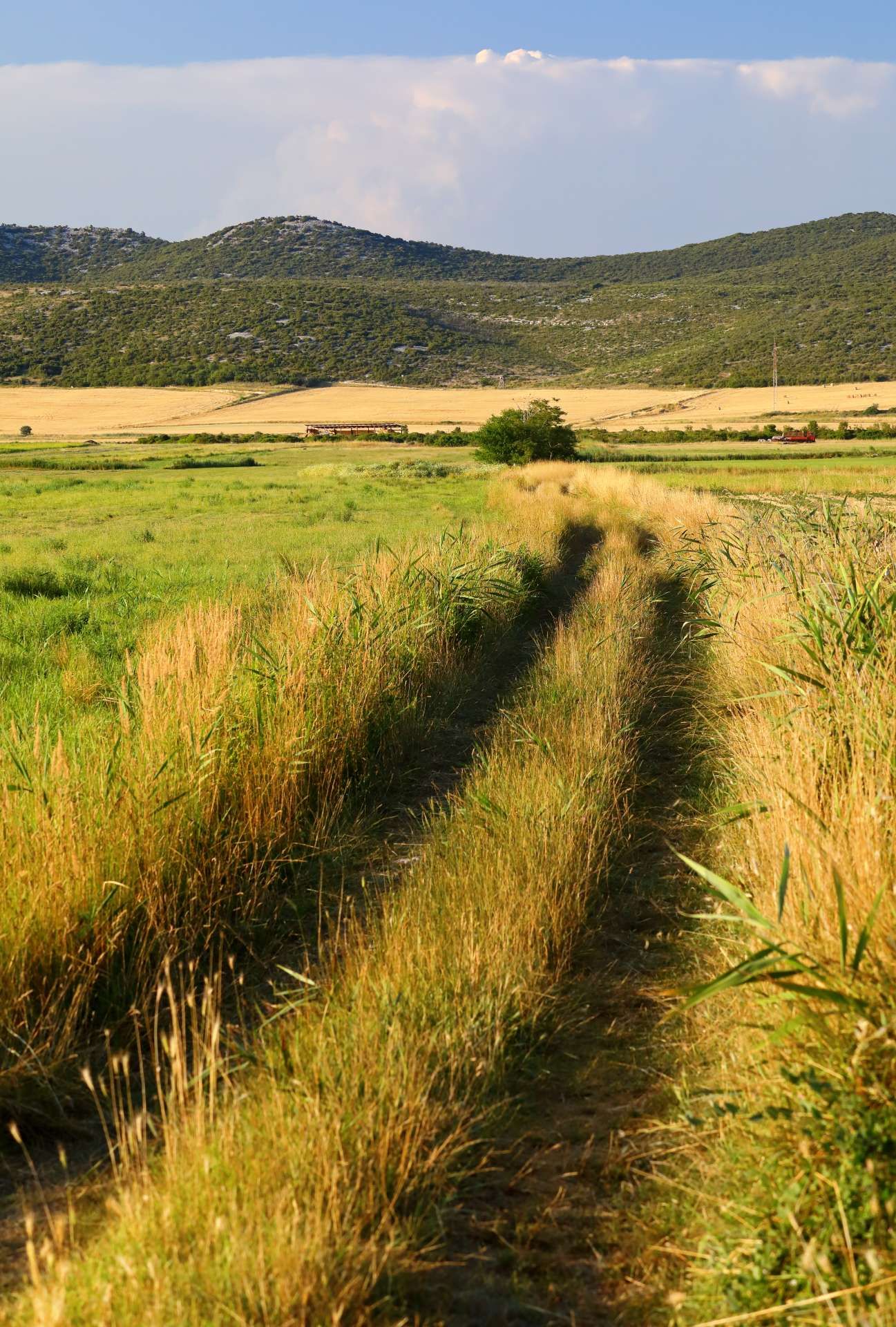
The trekking trail, spanning a distance of 15.7 km, commences at Maškovića Han, a historic Turkish architectural gem. From there, it leads you to the Pećina cave, a natural water source nestling within a rocky hollow. This spot marks the starting point of the Roman water supply system, showcasing the ingenuity of ancient engineering. The refreshing ambience inside the cave provides a delightful respite on hot summer days. The trail ascends towards the picturesque Debeljak hill, providing you with a sweeping vista of the vast fields extending all the way to the sparkling sea. Ultimately, the trail leads you back to Maškovića Han, guiding you through fields and alongside water channels after your descent towards the picturesque village of Kakma.

Trail length
15.7 km
Total ascent:
325 m
Surface
Gravel/asphalt

Safety tips

  • Plan a route that suits your physical and mental fitness and experience.
  • Always bring enough water and some food (e.g. chocolate).
  • Wear sturdy and comfortable shoes with ribbed soles for mountain terrain.
  • Always bring a first aid kit, lighter, matches, flashlight with spare batteries, compass, map, and knife.
  • Be sure to bring a fully charged mobile phone.
  • Do not light fires outside designated areas (fireplaces) and respect all other restriction and protection signs.
  • Crossings of the Adriatic Highway and county roads are not marked or secured for cyclists.
  • Immediately seek help, advice or assistance by calling the free emergency number 112 and provide details about the incident.

CAUTION!

  • Crossings of the Adriatic Highway and county roads are not marked or secured for cyclists.

RECOMMENDATIONS IN CASE OF AN ACCIDENT OR DANGER

  • Immediately seek help, advice or assistance by calling the free emergency number 112 and provide details about the incident.
6. Maškovića han-Pećina-Debeljak-Kakma Cycling Trail
Maškovića Han stands as a witness to Vrana’s turbulent past. In 1538, Vrana fell into Ottoman hands and it is believed that a large part of the local population then fled from the Ottomans, seeking refuge on the island of Murter, while some escaped to Istria.